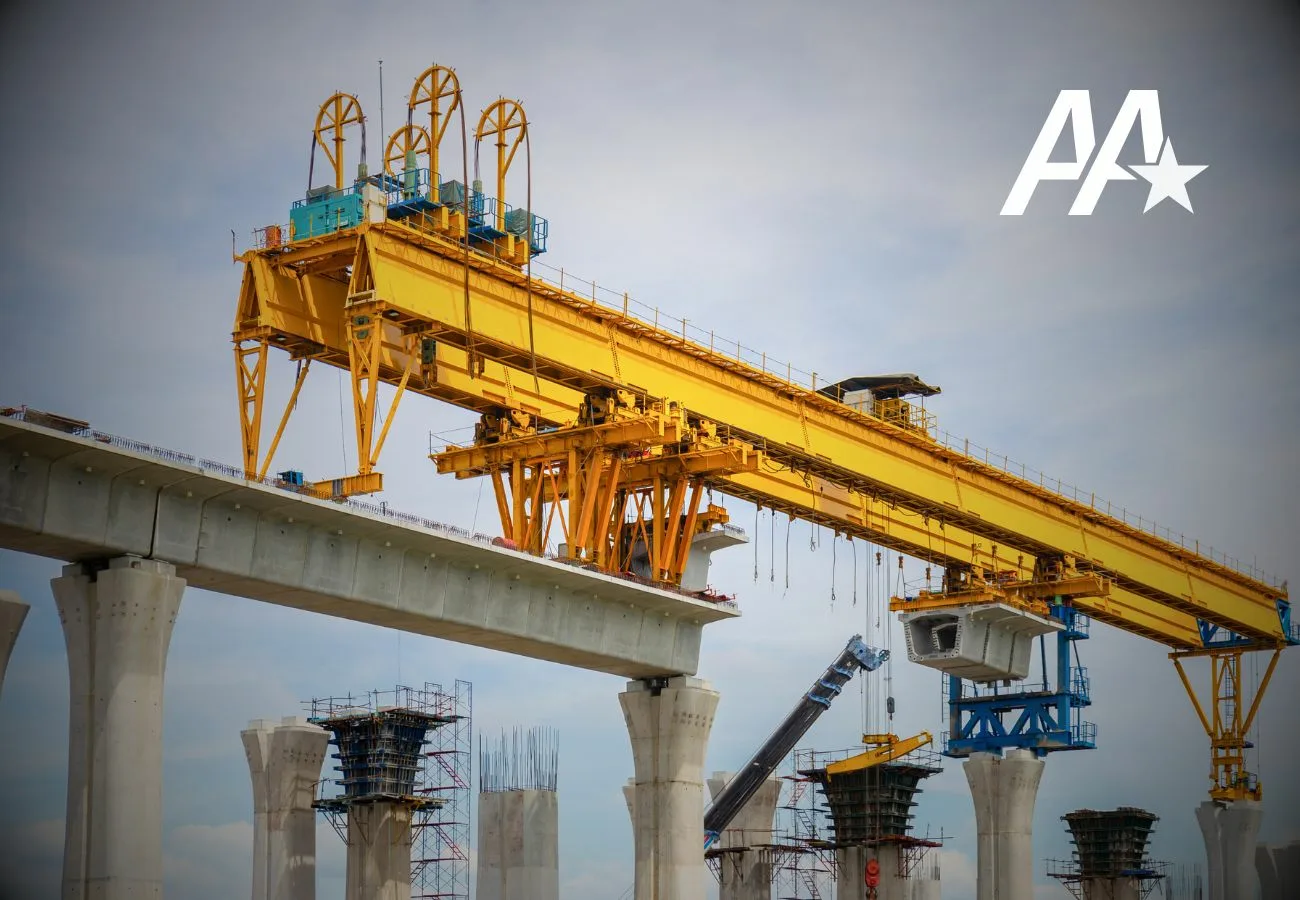
Global rail infrastructure projects are gaining momentum as governments seek to improve transportation efficiency, reduce congestion, and support long-term economic development. New railway corridors are being planned and constructed across multiple regions, connecting industrial centers, ports, and growing urban areas. Transportation experts believe modern rail systems can improve trade flows while reducing logistics costs for businesses.
Several countries have announced major investments in high-speed passenger networks and freight transportation systems. These projects are designed to increase capacity, improve reliability, and strengthen regional integration. Analysts note that rail transport remains one of the most efficient methods of moving large volumes of goods and passengers over long distances.
Technology is playing an increasingly important role in modernization efforts. Digital signaling systems, predictive maintenance platforms, and automated traffic management solutions are helping operators improve safety and operational performance. Industry leaders expect continued innovation to reduce costs and increase network efficiency.
Environmental considerations are also influencing investment decisions. Rail transportation generally produces lower emissions than many alternative transport methods, making it an attractive option for governments pursuing sustainability goals. Many projects include energy-efficient infrastructure and integration with renewable energy systems.
Financial institutions continue supporting railway development through infrastructure funds and public-private partnerships. Economists argue that transportation improvements often generate broader economic benefits by attracting investment, creating jobs, and supporting productivity growth.
Experts predict global rail infrastructure spending will remain strong over the coming decade. As trade volumes increase and urban populations grow, efficient transportation systems will become increasingly important. Continued investment in rail modernization may strengthen economic connectivity, improve mobility, and support sustainable development objectives in both developed and emerging economies.